
Fall Landscaping Tips, Tricks, and Pitfalls to Avoid

As summer fades and the leaves begin their vibrant transformation, many Chicagoland homeowners breathe a sigh of relief – cooler temperatures mean less watering and weeding and more time enjoying time around the fire pit and playing in the leaves. As you enjoy time outdoors, don’t forget that fall is one of the most crucial seasons for landscaping in the Midwest.
The work you do now will determine whether your landscape thrives next spring or struggles to recover from the winter. At Montano’s Landscaping, we’ve spent years helping homeowners prepare their outdoor spaces for the colder months ahead. In this guide, we’ll walk you through the essential fall landscaping tasks, share some insider tricks that make all the difference, and help you avoid the common pitfalls that can damage your landscape for years to come.
Related: Enjoy the Fall Season: 4 Landscaping Trends for Loving the Outdoors in Wheaton and Hinsdale, IL
Why Fall Matters: Setting Up for Spring Success

Before we dive into the specific tasks, let’s talk about why fall landscaping matters so much. Fall is your landscape’s second chance at growth before winter dormancy. The cooler temperatures and typically more abundant moisture create ideal conditions for root development, seed germination, and plant establishment. Trees and shrubs planted in the early fall have time to develop strong root systems prior to winter, which means they’ll emerge more vigorous in spring.
Additionally, fall is when many plants store energy reserves for the winter ahead. The tasks you complete now—pruning, fertilizing, aerating—directly impact how well your landscape survives the harsh Midwest winter and bounces back come spring.
Related: Ask the Horticulturist: Can I Plant in the Fall?
Essential Fall Landscaping Tasks

1. Clean Up Debris and Leaves
Let’s start with the obvious: falling leaves. While those golden and crimson leaves look beautiful on your lawn, leaving them there may create problems. Heavy leaf cover can smother your grass, promoting disease and preventing proper air circulation. Leaves also harbor pests and disease spores that can damage your landscape.
Pro tip: Don’t just rake away leaves - mulch them! A quality mulching mower will shred leaves into fine pieces that can remain on your lawn, providing valuable nutrients as they decompose. If you have too many leaves to mulch effectively, consider collecting them for composting or having them professionally removed. Either way, aim to have your lawn clear by mid-to-late October.
2. Aerate and Overseed Your Lawn
Fall is the best time to aerate your lawn in the Midwest. Aeration relieves soil compaction, allowing water, nutrients, and oxygen to reach grass roots more effectively. After aeration, overseed thin or bare areas with quality seed appropriate for your growing conditions.
Pro Tip: Timing is everything. Early fall (late August through September) is ideal for cool-season grasses in Chicago’s western suburbs. Wait until late October or November, and you risk the seed not establishing before winter. We recommend aerating and seeding before the end of September for best results. Water regularly for the first few weeks to keep the seed moist (which is critical for germination).
3. Prune Trees and Shrubs
Fall pruning can be tricky. While some light pruning and deadheading is fine, major pruning should generally wait until late fall after plants have fully entered dormancy, or ideally until late winter or early spring. Aggressive fall pruning can stimulate new growth just before frost hits, and tender new growth is vulnerable to winter damage.
Pro Tip: Remove any diseased, dead, or damaged branches. Trim back summer growth that’s blocking walkways or views. Save heavy structural pruning for November onward, or better yet, wait until February or March when plants are fully dormant and any winter damage becomes apparent.
A common pitfall: Topping trees – it can significantly impact the health of your trees. Tree topping (the practice of cutting main branches to uniform heights) weakens your trees. Instead, opt for professional thinning that maintains the tree’s natural shape while improving light penetration.
4. Prepare Garden Beds and Perennials
Cut back perennials and ornamental grasses in late fall, but not too early. Many gardeners make the mistake of cutting everything down in early September, but those dried stems actually provide winter protection and habitat for beneficial insects. Wait until late October or even November when frost has killed back foliage completely.
Pro tip: Leave some ornamental grasses standing through winter - they provide winter interest and structural appeal to your landscape. Cut them back in very early spring (March) right before new growth emerges. For perennials, cut back to 3-4 inches after the foliage has been destroyed by frost.
A common pitfall: Don’t remove all the fallen leaves from garden beds. A 2-3 inch layer of fallen leaves provides excellent insulation and winter protection for perennial roots. Only remove enough to prevent diseases like powdery mildew from persisting.
5. Plant Trees, Shrubs, and Spring Bulbs
Early fall is an excellent time to plant trees and shrubs (even better than spring for many species). The cooler weather reduces transplant shock, and roots have time to establish before the ground freezes. Some plants’ root systems even continue to grow slowly during the winter, preparing they for the demands of summer heat.
Pro tip: If you are going to plant in the fall, plant now! Aim for planting by mid-October to give plants adequate time to develop roots before the ground freezes. When planting, amend your soil with quality compost and ensure proper watering through fall and winter dry spells.
While you’re planting, don’t forget spring bulbs! October is prime planting time for tulips, daffodils, crocuses, and other spring bloomers. Plant them at least 6 inches deep to prevent frost heave and consider mixing in some bone meal for added phosphorus - bulbs love it.
6. Fertilize and Feed Your Landscape
Fall is the perfect time for a dose of fall fertilizer. Lawns benefit tremendously from a slow-release fall fertilizer that encourages root growth rather than excessive top growth. Look for formulations higher in potassium and phosphorus.
A Common Pitfall: Many homeowners fertilize heavily in spring and summer but neglect their lawns in fall. A fall feeding sets your lawn up for success. Apply now through October for best results.
For trees and shrubs, consider a deep watering with supplemental fertilizer if your landscape received less rainfall than normal over the summer. This helps plants prepare for dormancy with adequate energy reserves.
7. Ensure Proper Drainage and Grading
Fall rain and especially the spring snowmelt can expose drainage problems you didn’t know you had. Before winter arrives, check that water drains away from your home’s foundation. Look for low spots in your yard where water pools and stands for long periods.
Pro tip: Water pooling around your foundation or near plantings can cause serious issues - from foundation damage to root rot. If you notice problem areas, this is the time to address them through grading or by installing drainage solutions.
Related: 3 Patio Ideas For Fall Flair in Hinsdale and Naperville, IL Areas
Common Pitfalls to Avoid

Pitfall #1: Under-Watering in Fall
Many homeowners gradually reduce watering as fall approaches, which is good. However, some stop watering too abruptly. Plants still need adequate moisture through fall, especially newly planted trees and shrubs that haven’t established deep root systems. Water deeply but less frequently - the goal is to moisten the soil several inches down.
Typically, mid-to-late October is when you can reduce watering significantly. Plants enter dormancy and rainfall usually becomes more reliable.
Pitfall #2: Ignoring Fall Pest and Disease Management
Just because summer is over doesn’t mean pests and diseases disappear. In fact, fall is when certain pests prepare for winter, and diseases like powdery mildew can run rampant in the humid fall air.
Remove diseased leaves and branches promptly. Consider a fungal treatment for disease-prone plants. Monitor for pest activity and address issues before plants go dormant.
Pitfall #3: Planting Too Late
We’ve mentioned this already, but it bears repeating: planting too late in fall means plants don’t have time to establish roots. Aim to complete all planting by mid-October for trees and shrubs and by November for bulbs.
Pitfall #4: Neglecting Mulch Maintenance
Check your landscape beds’ mulch levels. Mulch breaks down throughout the year, and what was 3 inches deep in spring might be only an inch by fall. Turn over remaining mulch to allow for better decomposition, then add new mulch in planting beds to 2-3 inches deep. Turning old mulch is an important step to prevent the layer from becoming too thick in years to come. Be sure to keep the new mulch a few inches away from tree and shrub trunks to prevent disease and pest issues. A common mistake we see: mulch piled directly against trunks (creating “mulch volcanoes”), which can lead to stem rot and pest damage.
Related: 3 Landscape Design Ideas for Preparing Your Backyard for Fall in Downers Grove, IL
Your Fall Landscaping Checklist
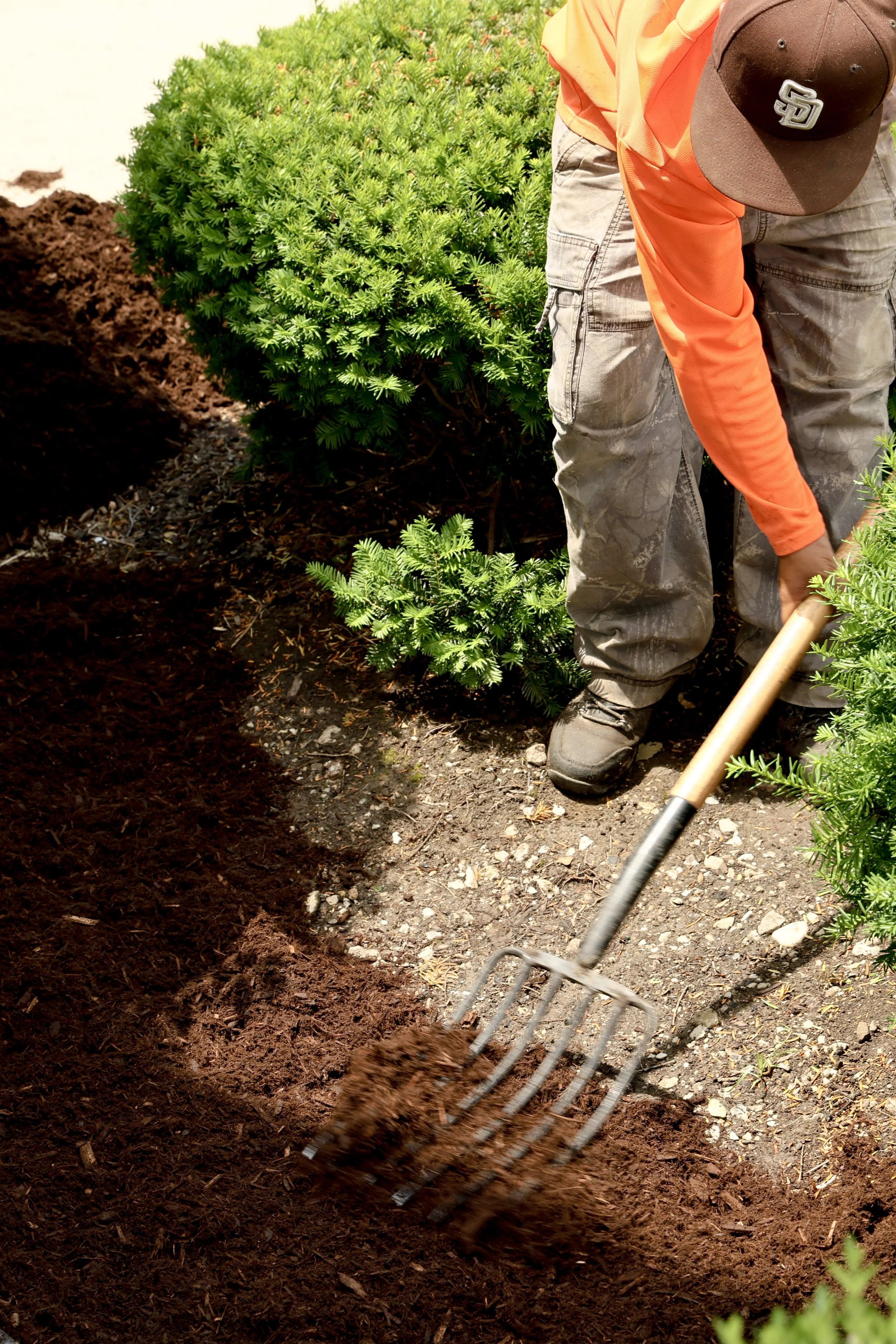
Here’s a quick reference for your fall landscaping tasks:
Clear fallen leaves from lawn by mid-October
Aerate and overseed lawn in early fall (late August/September)
Light pruning of diseased/damaged branches
Plant trees, shrubs, and spring bulbs by mid-October
Apply fall fertilizer (August-October)
Cut back perennials after first frost
Turn old mulch and refresh with new in landscape beds
Ensure proper drainage and grading
Deep water newly planted trees and shrubs through fall
Address any pest or disease issues
Clean up garden tools and equipment before winter
Related: Why Fire Features Are Essential Components of Fall Landscaping in Wheaton, IL
Ensure Your Gardens Look Great Next Spring!
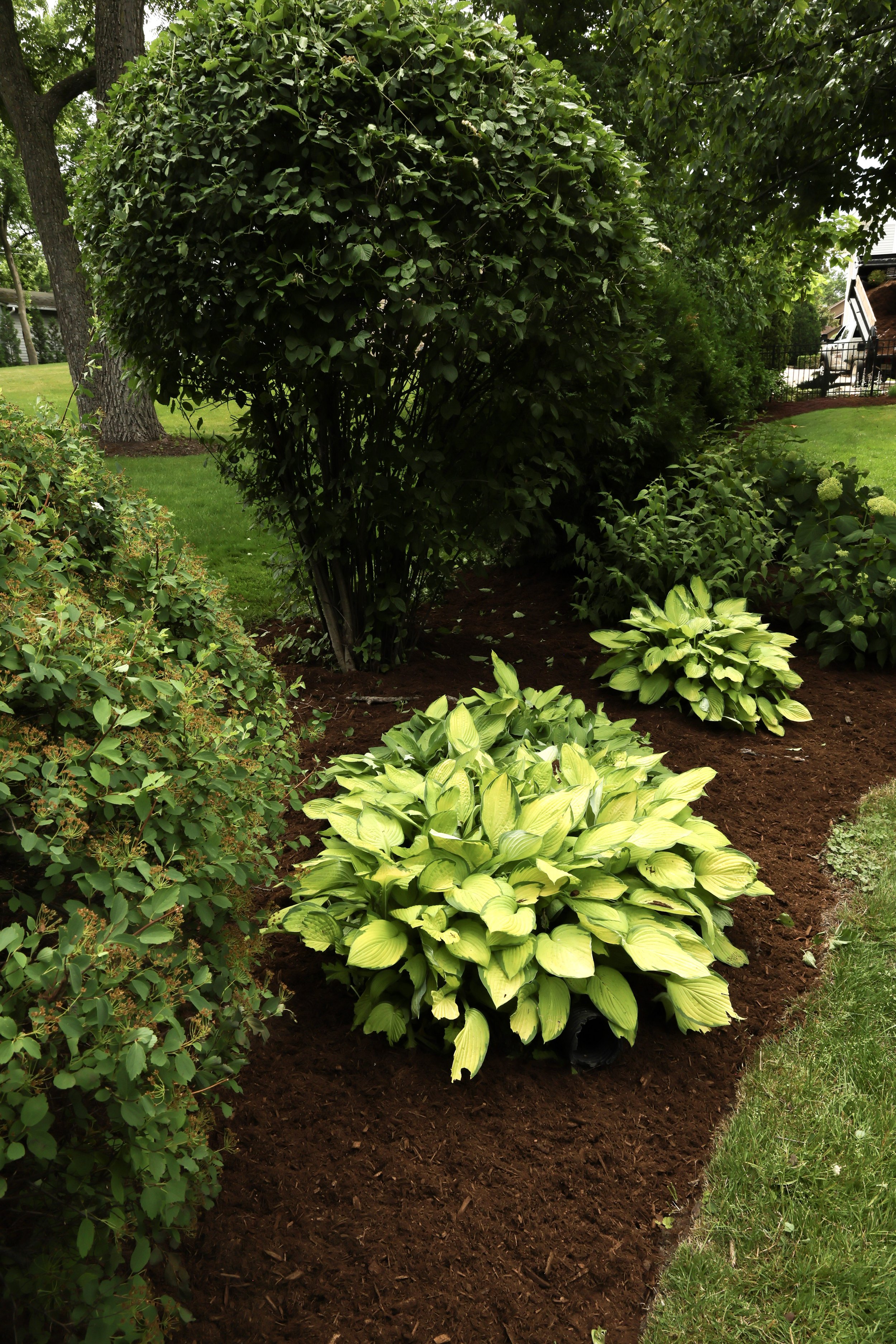
Fall landscaping requires a little extra effort for a big payoff in the spring. If your landscaping suffered this past spring and never quite recovered, let’s talk.
For more than 30 years, we’ve been helping homeowners throughout Naperville, Hinsdale, Wheaton, and Chicago’s western suburbs prepare their landscapes for success. We are already booking our 2027 calendar and would love to meet with you to talk about your vision for a yard you love. Call us at 630.271.9709 or book your initial conversation on your terms by clicking here.
Here’s to a beautiful fall and an even more beautiful spring ahead!