
It’s Planting Season! How to Stage Your Garden Like a Pro
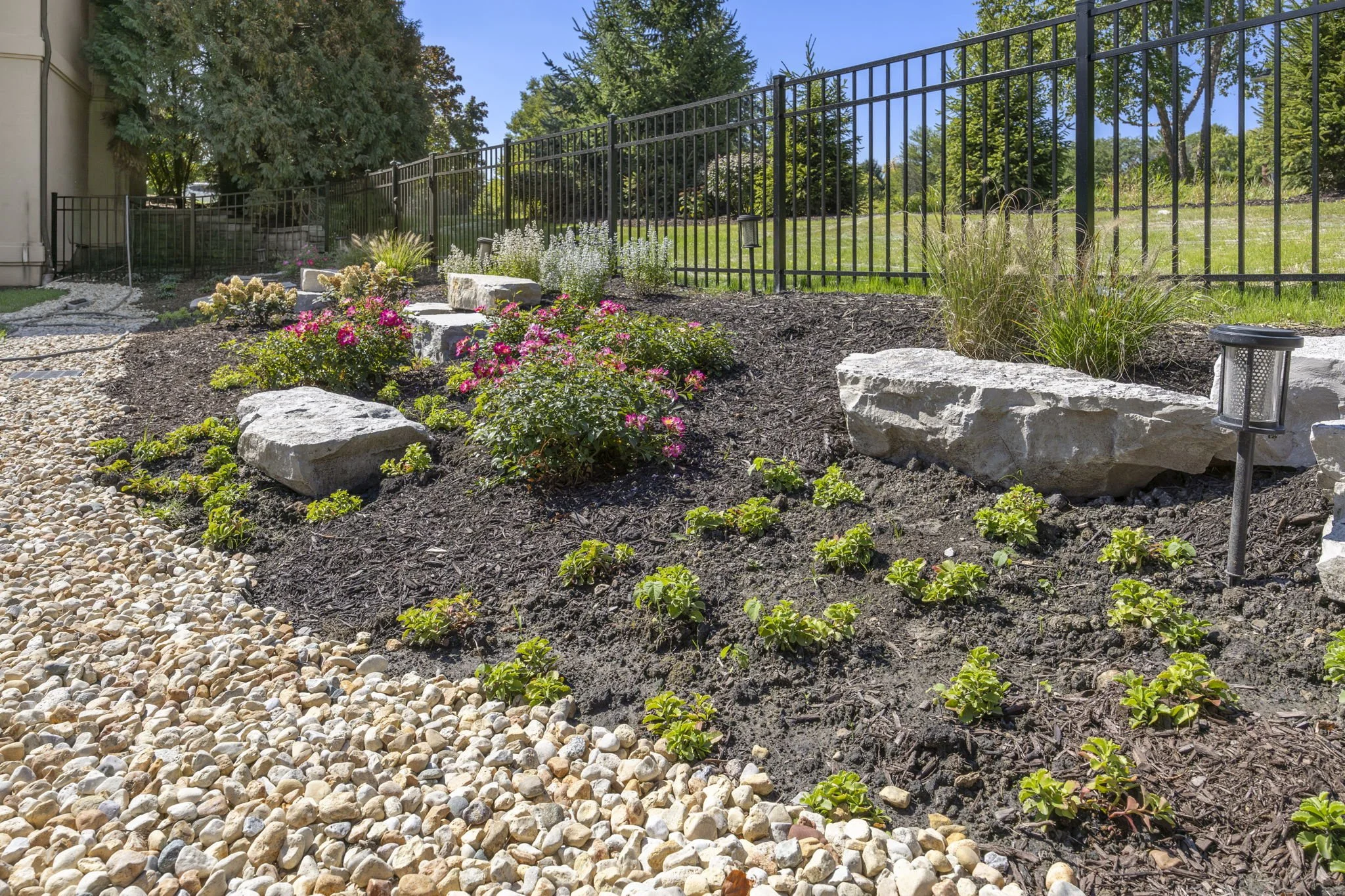
For those of us in the Midwest, the arrival of mid-to-late May is more than just a change in the weather—it’s a long-awaited celebration. After a winter of gray skies and a temperamental spring that likely teased us with a few 70-degree days followed by a surprise frost, we have finally reached the "safe zone” (knock on wood – even writing that feels like we’re jinxing it).
At Montano's Landscaping, we know that this window of time is the most critical for your property. In USDA Hardiness Zone 5b —covering much of the heartland—mid-to-late May is the golden time for planting. But creating a garden that looks like it belongs on a magazine cover isn't just about putting plants in the ground; it’s about staging. A pro-level garden doesn't just bloom once in June and then fade into a tangle of green; it evolves, offering new colors, heights, and textures from now until the first snow flies.
Here is how you can stage your Midwestern garden like a professional, with the same expert strategies we use every day at Montano's Landscaping.
Related: Spring Planting Tips & Advice: Ask the Horticulturist
The Strategy: Successive Blooming
The biggest mistake many homeowners make is impulse buying without strategy. They go to the garden center in May, buy whatever is currently flowering, and plant it. The result? A gorgeous garden in June and a lackluster green patch by August.
To stage like the pros at Montano's, you need to plan for Successive Blooming. This means selecting a mix of perennials that take turns in the spotlight.
1. Late Spring & Early Summer: The Opening Act
Right now, in mid-to-late May, you want plants that bridge the gap between spring bulbs and the heat of summer.
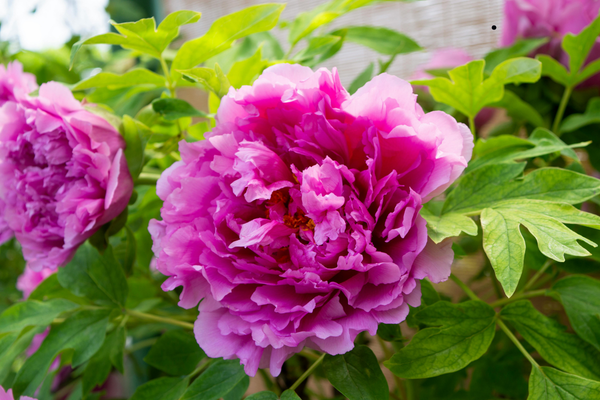
Peonies: A Midwest staple. They offer massive, fragrant blooms in late May. Even when the flowers fade, their deep green, bushy foliage provides a structural backdrop for the rest of the year. Some varieties can get a little heavy, so be sure to grab some twine to keep them up if they start to fall over. Even better? There are now varieties that do not droop, such as Carlos’s personal favorite, the ‘Sarah Bernhardt’ cultivar.
Siberian Iris: These are hardier than their bearded cousins and handle our signature Midwest clay soil beautifully. They offer elegant height and striking blues and purples in early June.
Creeping Phlox: If you need a "spiller" for a stone wall or a groundcover for the front of the border, this provides a carpet of color right now.
2. Mid-Summer: The Hardy Bunch
July and August in the Midwest can be brutal—humid, hot, and occasionally dry (as if we needed to remind you). Your garden will thank you for choosing hardy perennials that thrive in Zone 5b summers.
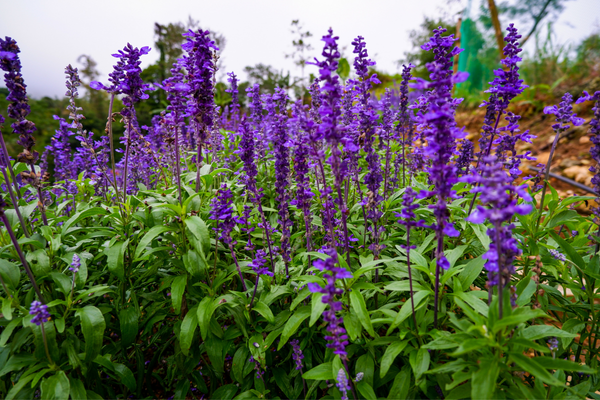
Salvia: For a vertical element, consider Salvia ‘May Night’ or ‘Blue Hill.’ These provide deep purple spikes that contrast beautifully with round blooms of other flowers.
Calamintha Nepeta: If you are looking to attract pollinators, this beautiful, low-maintenance groundcover is a great option. It’s gray-green leaves and small white or pale lilac flowers are a great addition to sunny gardens with good drainage.
Drift Rose: As you may expect from its name, Drift Rose is the perfect combination of beautiful roses and spreading perennial, growing up to 4 feet wide. They bloom in cycles, so you don’t even have to deadhead them!
Geums: Particularly if you have a garden with a little shade, Geums are a great choice. With about 60 different species and hybrids, Geums offer a wide range of color options. Plus, they are deer and rabbit-resistant, so if you struggle with critters eating your flowers, this is the plant for you!
3. Late Summer & Fall: The Grand Finale
July and August in the Midwest can be brutal—humid, hot, and occasionally dry (as if we needed to remind you). Your garden will thank you for choosing hardy perennials that thrive in Zone 5b summers.
Sedum ‘Autumn Joy’: This is a must-have for our zones. It starts as a dusty green broccoli-like cluster in summer, turns pink in late August, and matures into a deep copper-red by October. Even the dry clusters offer an interesting visual against snowy garden beds.
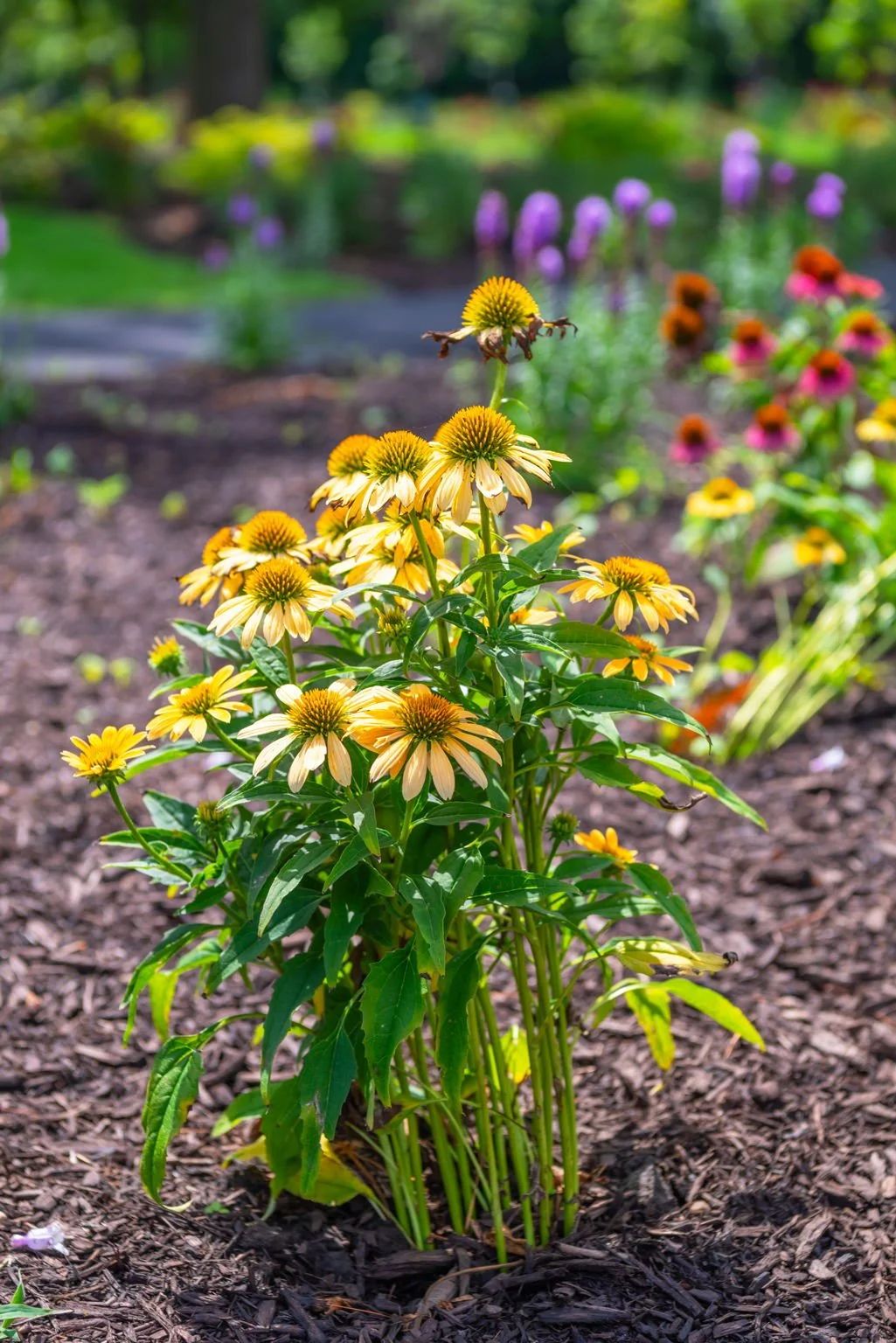
Coneflowers (Echinacea): These are the kings of the late summer garden. They are drought-tolerant, native to our region, and come in colors ranging from classic purple to sunset orange.
Black-Eyed Susans (Rudbeckia): These provide that iconic golden-yellow "pop" that lasts for weeks. They are incredibly hardy and spread just enough to fill in gaps without becoming invasive.
Ornamental Grasses: Plants like Switchgrass or Little Bluestem add movement and golden textures that look stunning even when covered in frost.
Related: Transform Your Outdoor Space With Unique Plantings in Wheaton and Burr Ridge, IL
The Extra Touch: Texture and Pops of Color
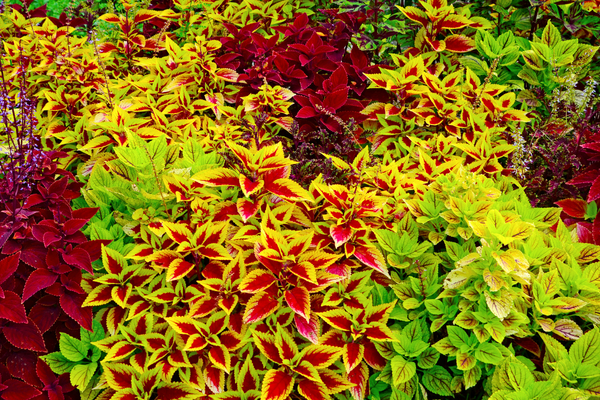
While perennials are your garden's foundation, annuals are your accessories. Use annuals to fill "holes" in the landscape and provide constant color while perennials are between bloom cycles.
For Chicagoland garden beds, focus on heat-tolerant annuals like Zinnias, Lantana, or Creeping Jenny. Vinca is a beautiful ground cover that can be used as an annual. If you have a shady corner, Coleus is a great option; it doesn't even need flowers to look "staged"—its vibrant neon-pink, lime-green, and deep burgundy leaves provide architectural interest and "texture color" all summer long.
Related: Does Your Naperville, IL Patio Need Some Pizzazz? Fresh Landscaping and Pretty Plantings Will Do It
Pro-Level Design Principles
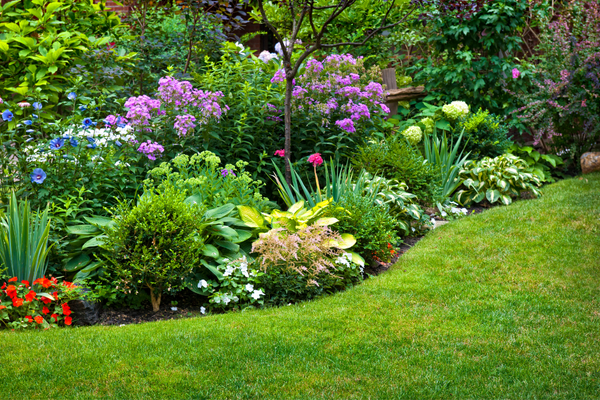
When you are placing your plants this month, keep these three professional landscape design rules used by the Montano's design team in mind:
The Rule of Three: Never plant just one of something. Planting in odd-numbered groups (3, 5, or 7) creates a "drift" of color that looks natural and intentional rather than cluttered.
Layer by Height: Think of it like a perfectly organized group photo. Place your tall kids (ornamental grasses, Joe Pye Weed) in the back, your average height (coneflowers, peonies) in the middle, and your “kneelers” or groundcovers (creeping jenny, sedum) along the edges.
Contrast Your Textures: A professional garden balances leaf shapes. Pair the broad, hosta-like leaves of Coral Bells (Heuchera) with the fine, feathery foliage of Coreopsis or Ferns.
Maintenance: Keeping the Show Going

Even the best-staged garden can look messy without proper maintenance. To keep your Naperville-area garden looking sharp through the fall, the Montano's crew recommends these pro tips for beautiful gardens:
Deadheading is Key: For plants like Salvia and Roses, removing the spent (dead) flowers encourages the plant to produce a second or third flush of blooms.
Don’t Be Afraid to Prune: If your perennials are getting too "leggy" or tall in late May (like Autumn Joy Sedum or Asters), you can actually pinch them back by half. This is a pro trick we use to delay blooming slightly, resulting in a bushier, sturdier plant that won’t flop over during a heavy summer thunderstorm.
Mulch Like a Pro: A 2-to-3-inch layer of hardwood mulch does three things: it suppresses weeds, retains moisture during a dry July, and gives the garden that clean, finished look that will make your garden one that people stop and notice.
Edge Your Beds: Nothing ruins a staged garden like grass creeping into the flower beds. A crisp, deep edge—whether hand-cut or with a spade (even an old butter knife will do the trick!) —instantly elevates the look of your entire property.
Want the Garden Without the Work?
Staging a garden is an art form that takes time, patience, and a deep understanding of the local soil and climate. While DIY planting is a great weekend hobby, achieving that "magazine-ready" look often requires a master plan.
At Montano's Landscaping, we don't just dig holes; we curate outdoor living spaces. We understand the specific needs of Zone 5b soil and the unique weather patterns of the Midwest. In fact, our owner, Carlos, has a degree in horticulture – so he knows more than most! Whether you need help selecting the perfect perennial palette for your backyard, a complete landscape redesign, or a full-service team to handle the heavy lifting of mulching and maintenance, we are here to help.
This planting season, don't just grow a garden—stage a masterpiece.
Ready to transform your landscape and be the envy of the neighborhood? Contact Montano's Landscaping today for a consultation, and let’s get your garden growing!