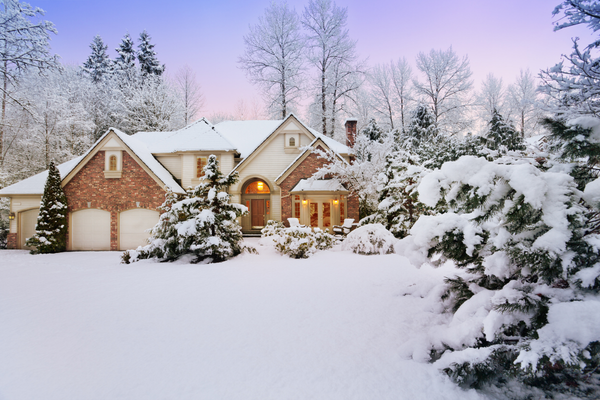
The end of the year is fast approaching, and while many of us are thinking about holiday preparations, your landscape is preparing for something else entirely: winter. If you've invested in a beautiful outdoor space, whether it's trees, delicate perennials, hardscaping, or other outdoor amenities, now is the time to protect that investment. Winterization isn't just about survival; it's about ensuring your landscape emerges healthy, vibrant, and ready for spring.
Related: Winter Blues Got You Down? Dream of Spring with Our Vision Builder!
Understanding Freeze-Thaw Cycles
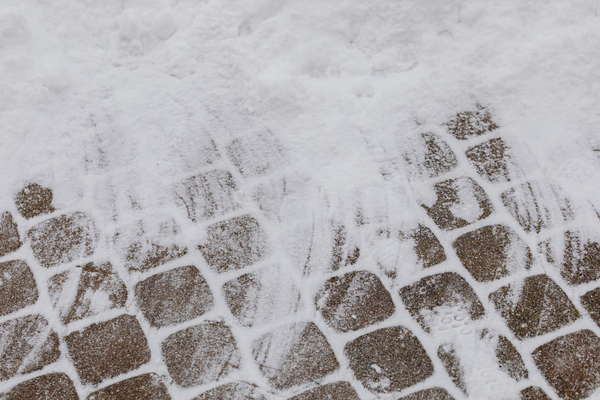
One of the biggest threats to your landscape during winter isn't the cold itself, it's the freeze-thaw cycle that we’re so famous for here in the Midwest (potholes, anyone?). When temperatures fluctuate above and below freezing, water in soil expands and contracts, which can heave plants out of the ground and crack hardscaping. Salt spray from winter road treatments can also damage evergreens, browning their foliage and weakening branches. The good news? Most of this damage is preventable with a little preparation.
Related: Oh My Gosh, You’re Putting in a Pool! Channel Your Inner Clark Griswold This Winter.
Protecting Your Plants
Trees and Shrubs
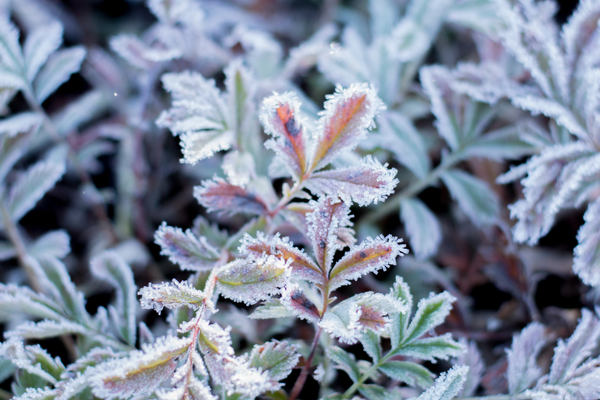
Evergreens and young trees benefit greatly from winterization. Wrapping vulnerable evergreens, particularly arborvitae, boxwood, and yews, with burlap protects them from salt spray and heavy snow damage. This doesn't mean suffocating them; the wrap should be loose enough to allow air circulation.
Young trees with thin bark are also at risk of frost crack and sunscald, so wrapping them with tree guards or burlap helps regulate temperature fluctuations on the trunk.
Perennials and Ground Covers
Your perennial beds don't need to be pristine for winter. In fact, leaving some dried stems and foliage in place provides natural insulation and winter interest. However, strategic mulching is essential. After the first hard frost, add 2-4 inches of mulch around perennials. This stabilizes soil temperature and prevents frost heave. Just resist the urge to mulch too heavily or pile mulch against plant stems - that's a recipe for rot and rodent damage.
Pre-Freeze Hydration
Here's something many homeowners overlook: plants need water before winter dormancy. Even though growth has slowed, trees and shrubs continue to lose moisture through their stems. A deep watering in late October or early November (or late November this year since it’s been so unseasonably warm!), before the ground freezes, helps plants survive harsh, dry winter winds. Focus on evergreens, newly planted trees, and shrubs planted within the last two years.
Related: The Secret Behind Watering – How Much is Too Much?
Winterizing Outdoor Kitchens and Pools
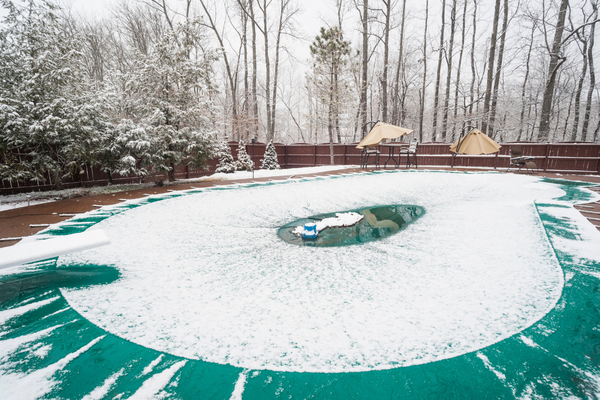
Outdoor kitchens need some TLC before winter. Cover or winterize gas lines, check that all water sources are shut off, and protect stainless steel surfaces with a protective coating. Pools and spas also require specific winterization steps: balancing water chemistry, removing any debris, draining lines, adding winterization chemicals, and covering. Improper winterization can lead to cracked pipes and expensive spring repairs, not to mention possibly voiding your warranty.
Montano’s offers pool and spa winterization as part of our pool maintenance packages, and we are happy to help!
Related: Dive Into Relaxation: Why Professional Pool Maintenance by Montano’s is the Ultimate Summer Luxury
Don’t Forget Your Irrigation System
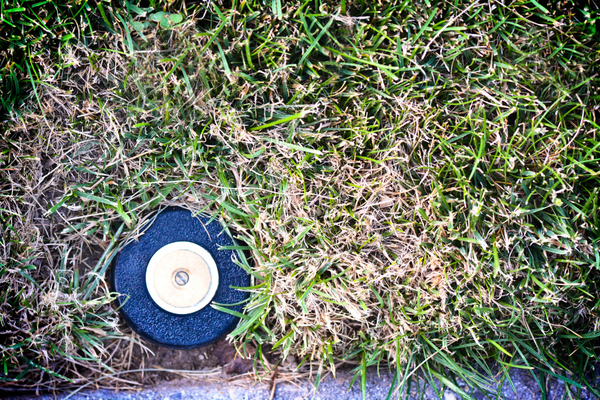
While we generally do not recommend irrigation systems since they can overwater your softscape, we know that they are common in Naperville and the surrounding areas.
If you do have an irrigation system, winterizing it is critical. Water left in irrigation lines will freeze and expand, possibly cracking pipes and damaging sprinkler heads. In November, before the first hard freeze, have your system blown out by a professional. This process uses compressed air to remove all water from lines, protecting your investment and ensuring everything works perfectly next spring.
Mulching Strategy
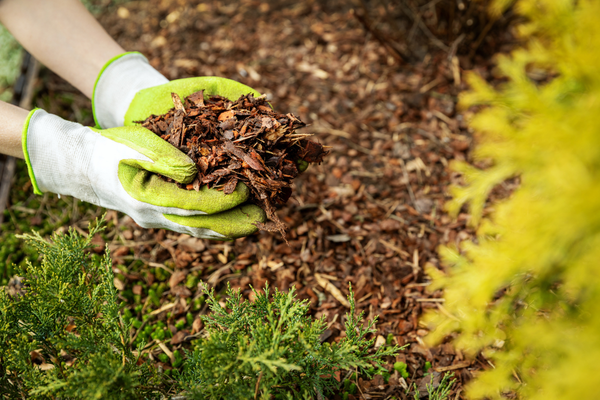
Mulch is your landscape's insulation blanket. A fresh 2-4 inch layer of mulch:
Regulates soil temperature
Reduces frost heave of perennials and small shrubs
Protects shallow-rooted plants
Suppresses winter weeds
Gradually breaks down to improve soil
Just remember: less is more. Excessive mulch suffocates plant crowns and creates habitats for rodents that may gnaw on bark.
Related: Mulch Options for Your Wheaton, IL, Landscaping
Timing Matters
Winterization works best when done at the right time - after the first hard frost but before the ground freezes solid. In our area, that's typically late October through mid-November, but again, with the warm temperatures that have persisted into late November, now is the right time!
Your landscape is an investment in your home, your outdoor living, and your enjoyment. Winterization is simply taking the next step to protect it. Plus, it will help set up your landscape for spring success!